Conservative cosmetic repair · Union, NJ
Dental Bonding
Dental bonding repairs chipped, cracked, or gapped teeth by applying tooth-colored resin in a single visit. Bonding is one of the most affordable and least invasive ways to improve a smile.
The essentials
What is dental bonding?
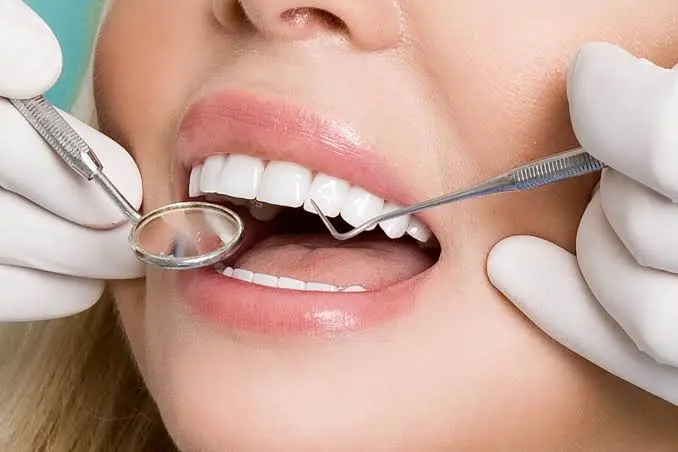
Dental bonding uses a tooth-colored composite resin to add to or reshape a visible tooth without a laboratory-made restoration.
The material is selected to blend with nearby enamel, bonded to the tooth, sculpted, hardened with a curing light, and polished. It can address small chips, worn edges, minor spaces, irregular contours, and selected areas of discoloration.
Michael Hogan, DDS, and the Union Family Dental team in Union, NJ evaluate the tooth, enamel, bite, and cosmetic goal to determine whether bonding will be durable enough for the area.
A single-visit treatment
What does treatment involve?
Most bonding is completed in one appointment and usually requires little or no removal of healthy enamel.
-
Plan
Dr. Hogan reviews your goals, checks the bite, and selects a shade that fits the smile.
About 10 minutes -
Prepare
The tooth surface is conditioned so the composite can bond securely.
A few minutes -
Shape
Composite is applied in layers, sculpted to the planned form, and hardened.
Usually 20 to 40 minutes -
Polish
The bite and edges are refined, then the material is polished to blend with enamel.
Before you leave
Is it right for you?
Am I a good candidate?
Bonding is best suited to modest cosmetic changes on healthy teeth where bite forces will not overload the material.
- You have a small chip, gap, worn edge, or uneven contour
- You want a conservative treatment completed in one visit
- The underlying tooth and gums are healthy
- You understand bonding may stain or wear sooner than porcelain
Larger changes, heavy grinding, or extensive damage may be better treated with veneers or crowns. A consultation compares the options.
Planning your care
What does dental bonding cost?
Cost depends on the number of teeth, the amount of material and reshaping required, and whether bonding is cosmetic or repairs documented damage.
Purely cosmetic bonding is generally not covered by insurance. Coverage may differ when treatment restores a chipped or damaged tooth. The team provides an estimate before treatment.
Request a personalized estimatePatient stories
Recent five-star Google reviews
Helpful answers
Frequently asked questions
Longevity varies with location, bite, diet, grinding, and habits. Bonding may need periodic polishing, repair, or replacement.
Bonding usually requires minimal alteration of healthy enamel, although preparation depends on the specific repair.
Bonding is conservative and repairable but less stain-resistant. Porcelain can provide greater durability and color stability for broader changes.
Cosmetic treatment is usually excluded, while repair of documented tooth damage may receive benefits depending on the plan.
Ready to get started?
Explore a conservative smile repair
Book with Dr. Hogan or the Union Family Dental team.